If you’ve been told you have a hernia, you’re not alone. Millions of people are diagnosed with hernias each year, and in many cases, surgery is the best approach to relief. While the word “surgery” can feel overwhelming, today’s treatment options are safer, faster, and more effective than ever. Whether you’re feeling a bulge in your abdomen, groin discomfort, or pressure that worsens when you cough or lift, the key is not to wait.
With a range of hernia repair techniques available, it’s important to choose the one best tailored to your unique needs and lifestyle. But how do you know which one is right for you: open, laparoscopic, or robotic?
Dr. Desiree D’Angelo, a board-certified general surgeon with Premier Surgical Network, explains: “There’s no one-size-fits-all approach to hernia surgery. We look at the type of hernia, its size, your health history, and your goals to recommend the most effective and least disruptive option for recovery.”
Let’s walk through your options and how we can help you confidently take the next step.
Understanding Hernia and Its Types
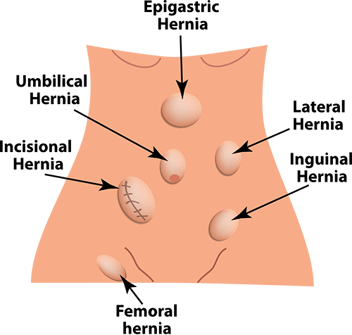
A hernia occurs when an internal organ or tissue pushes through a weak spot in the fascia, which is the strength layer of the abdominal wall. This happens most often in the mid abdomen or groin. Hernias can be caused by straining, aging, injury, or even prior surgery. Common types include:
- Inguinal hernias: in the groin (most common)
- Umbilical hernias: near the belly button
- Incisional hernias: at the site of a past surgical scar
- Epigastric hernias: in the upper abdomen, between the breastbone and navel
Hernias don’t go away on their own. While some may remain mild for a time, they often grow and become more painful or dangerous. That’s why early diagnosis and treatment are key, with an experienced surgical team to help you get back to life with the least disruption possible.
Open Hernia Repair: An Overview
Open hernia repair is a traditional surgical technique where the surgeon makes an incision directly over the hernia site. The bulging tissue is gently pushed back into place, and the weakened fascia is reinforced, often with mesh.
Benefits:
- Effective for small hernias
- Can be performed under minimal anesthesia
- Time-tested and widely available
Considerations:
- Longer recovery (up to 6 weeks)
- Greater chance of post-operative pain
- Larger incision may lead to more visible scarring
Open repair may still be the best choice for some patients, especially in emergencies or recurrent hernias.
Laparoscopic Hernia Repair: A Minimally Invasive Option
Laparoscopic hernia repair uses small incisions, a thin camera (laparoscope), and special instruments to repair the hernia from inside the abdomen. A mesh is placed to reinforce the abdominal wall.
Benefits:
- Smaller incisions and less visible scarring
- Less post-operative discomfort
- Faster return to work (often within 1–2 weeks)
- Lower risk of infection
Considerations:
- Requires general anesthesia
- May not be ideal for very large or complex hernias
“Laparoscopic surgery is a great option for patients who want minimal downtime,” explains Dr. D’Angelo. “We often recommend it when a quicker return to work is important.”
Robotic-Assisted Hernia Repair: The Cutting-Edge Solution
Robotic hernia repair is a type of laparoscopic surgery performed using robotic-assisted technology. The surgeon controls robotic arms from a console, allowing for enhanced precision and flexibility.
Benefits:
- Greater precision and range of motion
- Excellent for multiple or recurring hernias
- Minimal scarring and quicker recovery
- Reduced pain and blood loss
Our surgeons are skilled in this advanced approach, offering robotic hernia repair at several locations across New Jersey.
“Robotic surgery allows us to perform complex repairs with incredible accuracy, while keeping recovery times short,” says Dr. D’Angelo. “It’s the future of hernia surgery—and it’s already here at Premier Surgical Network.”
Abdominal Wall Reconstruction
Abdominal wall reconstruction is used for patients with large or multiple hernias and who may have diastasis, which is a separation of the rectus muscles. This surgery is done in conjunction with our plastic surgeons.
Benefits:
- Excellent option for multiple hernias and when abdominal contouring is also desired
- Improved overall aesthetic outcome
- Can improve chronic back and abdominal pain in certain patients
Considerations
- Longer recovery (4-6 weeks)
- Requires general anesthesia
- Larger incisions
Choosing the Right Hernia Repair at Premier Surgical Network
Whether you're newly diagnosed or exploring your surgical hernia options, you deserve a treatment plan tailored to you. At Premier Surgical Network, we offer:
- Convenient access to care with multiple locations across New Jersey and telehealth options
- Experienced, award-winning surgeons recognized for their patient-centered care
- Advanced surgical options, including laparoscopic and robotic techniques
- Holistic support to guide you before, during, and after your procedure
We're here to support people through their hernia healing journey. From fast appointments to compassionate follow-up, we're with you every step of the way.
Ready to talk to a hernia specialist?
Find a Premier Surgical Network surgeon near you and schedule your consultation today.