
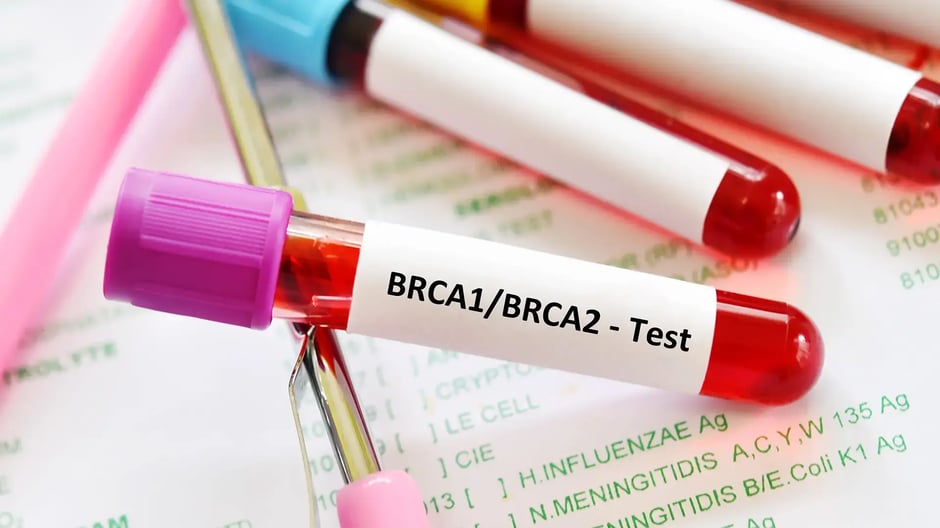
If breast or ovarian cancer runs in your family, you might wonder—What does this mean for me? BRCA genetic testing can help answer that question. By revealing whether you carry certain inherited gene mutations, this test offers powerful insight into your personal cancer risk and opens the door to proactive, informed care. At Premier Surgical Network, we’re here to guide you through the process with compassion, clarity, and the expertise you need to feel confident in your next steps.
What Is BRCA Testing?
BRCA1 and BRCA2 are tumor suppressor genes that play a vital role in repairing DNA and maintaining cellular health. When mutations occur in these genes, the risk of developing certain cancers increases significantly. BRCA testing involves analyzing your genes to identify mutations that may elevate cancer risk.
Mutations in BRCA1 and BRCA2 are linked to higher risks of:
- Breast cancer
- Ovarian cancer
- Prostate cancer
- Pancreatic cancer
- Other cancers as well
Identifying these mutations allows individuals and healthcare providers to make informed decisions about monitoring and preventive strategies. Dr. Stephen Chagares, a breast surgeon at Premier Surgical Network, explains, “BRCA testing isn’t just about statistics—it’s about giving patients the power to take control of their health story before cancer has a chance to write it for them.”
Who Should Consider BRCA Testing?
You should consider BRCA testing if you have:
- A personal or family history of breast cancer diagnosed before age 50-60.
- A personal or family history of ovarian cancer at any age
- Male relatives with breast cancer
- Multiple family members with breast, ovarian, pancreatic, or prostate cancer
- Ashkenazi Jewish ancestry, which is associated with a higher prevalence of BRCA mutations
Discussing these factors with a healthcare provider can help determine if BRCA testing is appropriate for you.
Why BRCA Testing Matters
Understanding your BRCA status can significantly impact your healthcare decisions. “When a BRCA mutation is identified, it doesn’t just change how we screen—it can change the entire course of care. It allows us to consider risk-reducing options like preventive surgery, chemo prevention or frankly earlier intervention, often before cancer has a chance to develop,” mentions Dr. Chagares.
The benefits of BRCA testing include:
- Risk Assessment: Identifying a BRCA mutation provides a clearer picture of your cancer risk.
- Personalized Screening: With this information, healthcare providers can recommend tailored screening schedules, such as earlier and more frequent mammograms or MRIs.
- Preventive Options: Some individuals may consider preventive surgeries like prophylactic mastectomy or oophorectomy to reduce cancer risk.
- Family Planning: Knowing your BRCA status can inform decisions about family planning and encourage relatives to consider testing. It will also allow you to better assess what genes may or may not have been passed on to one’s children.
What to Expect During BRCA Testing
BRCA testing typically involves the following steps:
- Initial Consultation: You will meet with a genetic counselor or healthcare provider to discuss your medical and family history.
- Sample Collection: A blood or saliva sample is taken for analysis.
- Laboratory Analysis: The sample is analyzed in a specialized laboratory to detect BRCA mutations.
- Results Discussion: Once results are available, your healthcare provider will discuss the findings and next steps.
The cost of BRCA testing can vary. Many insurance plans cover the test for individuals who meet specific criteria. For those without coverage, out-of-pocket costs can range from $250 to several thousand dollars, depending on the laboratory and the complexity of the test. It's advisable to consult with your insurance provider and healthcare team to understand the costs involved.
What Happens If You Test Positive?
A positive BRCA test result means you have a higher risk of developing certain cancers, but it does not guarantee you will get cancer. Dr. Chagares states, “A positive result is a call to action, not a cause for panic. It allows us to implement a personalized plan to monitor and reduce cancer risk effectively.” That plan may include earlier and more frequent screenings, such as mammograms or MRIs, and in some cases, preventive surgeries like mastectomy or oophorectomy to significantly reduce risk.
Sharing your results with close family members is also important, as they may carry the same genetic mutation. Your healthcare team can guide you in discussing next steps, including testing for relatives and lifestyle changes that support overall health. With the right care and information, a positive test can become a powerful tool for protecting your future.
Get Tested: Empowerment Through Knowledge
“Understanding your genetic risk enables you to make informed decisions about your health and take preventive measures when necessary,” reiterates Dr. Chagares. If you’re concerned about your risk for breast or ovarian cancer, BRCA testing can be a powerful first step toward clarity and control. At Premier Surgical Network, our team is here to help you understand your options and build a plan that’s right for you. With expert guidance and personalized care, you don’t have to face these decisions alone—we’re with you every step of the way.