Understanding the Need for Breast Reconstruction Surgery
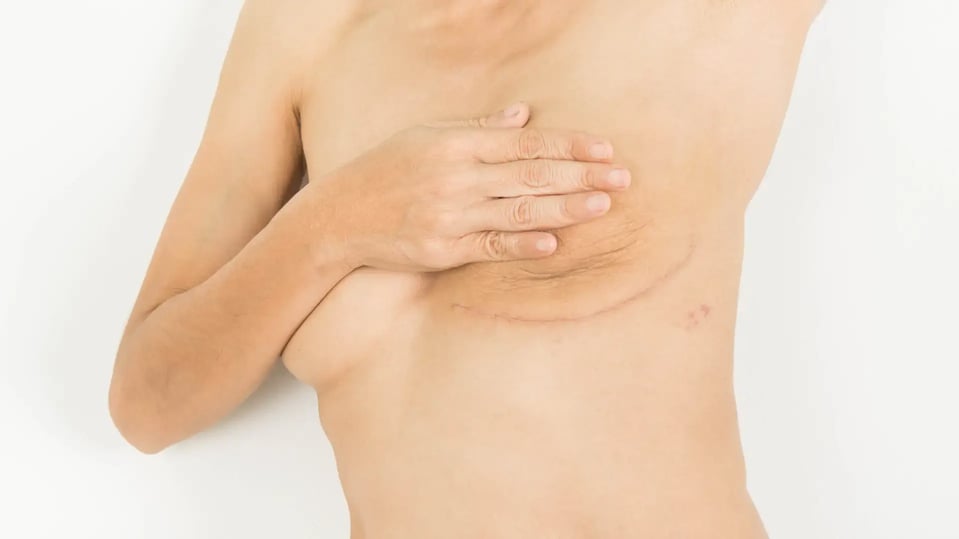
Breast reconstruction is a surgical procedure to rebuild the shape and appearance of the breast after mastectomy or lumpectomy. While not every patient chooses reconstruction, many find that it plays a vital role in restoring confidence, balance, and a sense of wholeness.
“For many of my patients, breast reconstruction is about reclaiming something deeply personal,” explains Yolanda Tammaro, MD, a board-certified general surgeon and fellowship-trained breast specialist at Premier Surgical Network. “It’s not about vanity—it’s about healing, identity, and feeling whole again.”
According to the American Cancer Society, 1 in 8 women in the U.S. will develop invasive breast cancer during their lifetime. Of those who undergo mastectomy, approximately 40% choose some form of reconstruction. However, studies show that many more would consider it if they were fully informed about their options.
Our team at Premier Surgical Network believes that every patient deserves to understand their options clearly so they can make the choice that feels right for them. Our goal is to provide the information, guidance, and emotional support needed to move forward with confidence.
Types of Breast Reconstruction Procedures
There is no one-size-fits-all approach to breast reconstruction. The right procedure depends on a patient’s medical history, cancer treatment plan, body type, and personal preferences. Premier Surgical Network offers multiple reconstruction options, including Implant-Based Reconstruction, Autologous (Flap) Reconstruction, and Oncoplastic Reconstruction. Here is how these options compare:
| Type of Reconstruction | What It Involves | Best For | Pros | Considerations |
|---|---|---|---|---|
| Implant-Based | Uses silicone or saline implants to recreate the breast shape. Often completed in two stages (expander + implant). | Patients who prefer a shorter surgery or aren't candidates for flap procedures. | • Shorter surgery time • Less invasive than flap surgery • Widely available |
• May require future implant replacement • May not feel as natural as tissue-based |
| Autologous (Flap) | Uses your own tissue, often from the abdomen, back, or thighs, to rebuild the breast. | Patients who want a more natural look/feel and are physically fit for longer surgery. | • Natural appearance and feel • Long-lasting results • No risk of implant rejection |
• Longer surgery and recovery • Requires donor site healing • Not suitable for all body types |
| Oncoplastic | Combines cancer removal and cosmetic reshaping in the same surgery. Often used during lumpectomy. | Patients undergoing breast-conserving surgery (lumpectomy). | • Preserves natural breast shape • Single surgery for cancer removal + reconstruction • Minimal visible scarring |
• Not suitable after a full mastectomy • Limited by tumor size/location |
It is important to schedule a consultation with a surgeon to ensure you fully understand the benefits and risks of each option before making a decision.
“One of the most exciting advancements we use is the nipple-sparing mastectomy combined with immediate reconstruction,” notes Dr. Tammaro. “Preserving the natural skin and nipple often results in better cosmetic outcomes, which our patients love.”
The Process of Breast Reconstruction Surgery
Reconstruction can be performed immediately (during the same operation as mastectomy) or delayed (weeks or months later), depending on cancer treatment plans and individual readiness. Key phases of breast reconstruction include:
- Consultation and Planning: Assessment with the surgeon and cancer care team to develop a tailored reconstruction plan.
- Stage One Surgery: This may involve tissue expanders, implants, or tissue flaps.
- Healing and Monitoring: Time is given for the body to heal and settle into the new breast shape.
- Stage Two Surgery (if needed): Includes implant exchange, symmetry adjustments, or nipple reconstruction.
Dr. Tammaro and the surgical team at Premier Surgical Network work collaboratively with oncologists, radiologists, and plastic surgeons to ensure optimal timing and outcomes for our breast reconstruction patients.
“Our approach is multidisciplinary from day one,” says Dr. Tammaro. “We coordinate every detail, so patients feel supported and informed throughout the journey.”
Recovery and Post-Operative Care
Recovery timelines vary depending on the procedure, but most patients can expect:
- 2–6 weeks of downtime, with activity restrictions
- Pain management with prescribed medications and gentle mobility
- Drain care, if placed, and incision monitoring
- Follow-up visits to ensure proper healing and discuss next steps
Here are some home care tips to help during the recovery process:
- Arrange for help at home during the first week
- Avoid lifting or upper body strain
- Wear post-surgical support garments as directed
- Prioritize rest, hydration, and emotional self-care
Premier Surgical Network offers compassionate post-operative support, including wound care guidance, scar minimization strategies, and emotional reassurance.
“Healing isn’t just physical,” adds Dr. Tammaro. “Our job is to make sure patients feel seen, heard, and cared for every step of the way.”
Schedule a Consultation with Premier Surgical Network
Choosing breast reconstruction is deeply personal, and you deserve a surgical team who sees you as a whole person, not just a procedure.
Premier Surgical Network blends clinical expertise with heartfelt compassion. From hidden scar techniques to aesthetic-preserving surgeries, our team delivers results that support dignity, comfort, and confidence.
With easy scheduling and telehealth options, expert breast reconstruction care is always within reach. If you’re considering breast reconstruction after mastectomy, schedule a consultation with Dr. Tammaro and the compassionate New Jersey-based team at Premier Surgical Network today. Let’s walk this journey together with expertise, empathy, and care that honors your whole self.
“For many of my patients, breast reconstruction is about reclaiming something deeply personal,” explains Yolanda Tammaro, MD, a board-certified general surgeon and fellowship-trained breast specialist at Premier Surgical Network. “It’s not about vanity—it’s about healing, identity, and feeling whole again.”
.png?width=352&name=Surgical%20Options%20in%20Mastectomy%20(1).png)