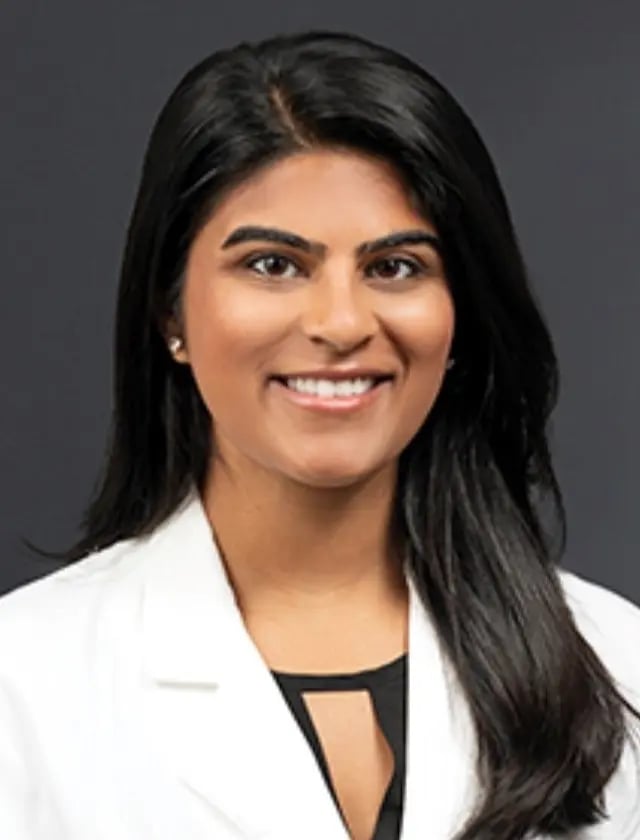
Vaishali Purohit, MD

Fellowship-Trained Breast Surgeon
Board Certified in General Surgery

Dr. Vaishali Purohit is a board-certified general surgeon with fellowship training in breast surgery. She treats the full spectrum of breast diseases, including benign breast disease such as breast pain, high-risk counseling, and malignant breast disease. Dr. Purohit is dedicated to delivering the best outcomes for her patients by tailoring treatments to align with their individual goals and needs.

Dr. Purohit obtained an undergraduate degree in chemistry-biology with summa cum laude from West Chester University in West Chester, Pennsylvania through the early acceptance program with Drexel University College of Medicine in Philadelphia. During her time there, she received the American Institute of Chemists Award in Biochemistry for her research. Dr. Purohit continued her education at Drexel University College of Medicine. After medical school, Dr. Purohit started a general surgery residency at Hahnemann University Hospital in Philadelphia and completed general surgery training at Lenox Hill Hospital in New York City. She also completed a dedicated year of research focusing on wound healing throughout this time.

Dr. Purohit then completed a fellowship in breast surgical oncology at Allegheny Health Network in Pittsburgh. While there, she received advanced training on the management of breast diseases and specialized surgical techniques, including breast biopsies, hidden scar techniques, breast conserving surgery using seed localization, nipple-sparing and skin-sparing mastectomy, oncoplastic closures, and nerve sparing techniques in coordination with plastic surgeons.

Dr. Purohit is a member of the American Society of Breast Surgeons and the Society of Surgical Oncology. Eager to be part of a practice that encompasses diverse skills and expertise, Dr. Purohit looks forward to collaborating with the team to deliver high-quality patient care.
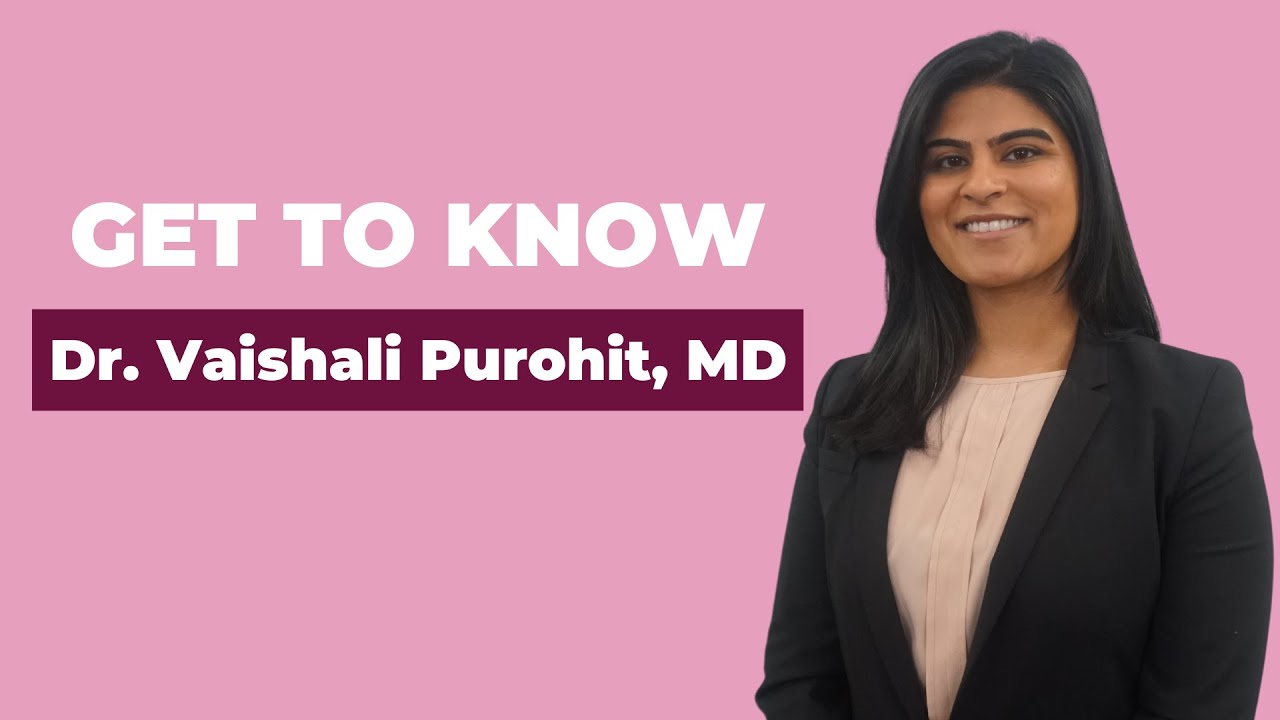
Meet Dr. Vaishali Purohit- Breast Surgeon

Schedule an Appointment with Dr. Purohit

  • Awards & Accolades
  • Education
  • Languages Spoken
  • Insurance Accepted
Monmouth Magazine Top Doctors 2025
  • Undergraduate:
    West Chester University of Pennsylvania, PA
  • Medical School:
    Drexel University College of Medicine, PA
  • Residency:
    General Surgery, Hahnemann University Hospital, Drexel University, PA
    General Surgery, Lenox Hill Hospital, NY
  • Fellowship:
    Breast Surgical Oncology, Allegheny Health Network
English

The Premier Surgical Network participates in a wide range of insurance plans. Each physician has their accepted insurance and hospital affiliations. For those out of network, our insurance specialists will work with you before your appointment to find the most coverage available for your treatment. We can often develop individual agreements with your insurance carrier for your personalized treatment plan.
Dr. Purohit Performs the Following:

BRCA Genetic Testing
Breast Biopsy
Breast Cancer Surgery
Excisional Lymph Node Biopsy
Lumpectomy & Partial Mastectomy
Mastectomy
Non-Cancerous Breast Disease
Oncoplastic Surgery
Prophylactic Mastectomy
Sentinel Lymph Node Biopsy

BRCA Genetic Testing

BRCA Genetic Testing

BRCA genetic testing uncovers inherited mutations that significantly increase breast and ovarian cancer risk. The Premier Surgical Network offers expert counseling, testing, and interpretation to help patients understand their risk. Results support informed decisions about enhanced surveillance, medication, or risk-reducing surgeries like prophylactic mastectomy.

Breast Biopsy

Breast Biopsy

A breast biopsy removes tissue from a suspicious breast lesion—identified through mammography, ultrasound, or clinical exam—for precise pathological analysis. Techniques include fine-needle aspiration, core-needle biopsy, vacuum-assisted biopsy, or surgical excision, using imaging guidance to ensure accuracy. This targeted sampling is essential for diagnosing cancer and guiding treatment strategies.

Breast Cancer Surgery

Breast Cancer Surgery

Breast cancer surgery includes lumpectomy or mastectomy, sometimes combined with lymph node evaluation. These procedures are the cornerstone of early-stage treatment, offering effective removal of cancer while prioritizing patient outcomes and cosmetic considerations. Surgery is often complemented by systemic or radiation therapy as part of comprehensive cancer care.

Excisional Lymph Node Biopsy

Excisional Lymph Node Biopsy

When a lymph node appears enlarged or abnormal, surgical removal (biopsy) provides essential tissue for diagnosis. Our surgeons at The Premier Surgical Network use precise excision techniques to minimize scarring while ensuring an accurate sample for pathology evaluation.

Lumpectomy & Partial Mastectomy

Lumpectomy & Partial Mastectomy

A lumpectomy or partial mastectomy removes a breast tumor along with a small margin of surrounding healthy tissue while preserving most of the breast. Techniques vary based on tumor size and location, including standard lumpectomy, partial mastectomy, or quadrantectomy, often guided by imaging to ensure complete removal. This breast-conserving surgery is essential for treating early-stage cancer, reducing recurrence risk, and supporting follow-up therapies such as radiation or hormone treatment.

Mastectomy

Mastectomy

A mastectomy surgically removes one or both breasts to treat or prevent breast cancer, sometimes including nearby lymph nodes. Techniques include total mastectomy, nipple-sparing mastectomy, or prophylactic (preventive) mastectomy, with surgical planning guided by imaging and individualized risk assessment. This procedure is essential for eliminating cancerous tissue, reducing recurrence risk, and supporting subsequent reconstruction or treatment strategies.

Non-Cancerous Breast Disease

Non-Cancerous Breast Disease

Non-cancerous breast diseases involve benign changes in breast tissue that are not malignant but may require monitoring or treatment. Conditions include fibrocystic changes, fibroadenomas, intraductal papillomas, sclerosing adenosis, fat necrosis, mastitis, duct ectasia, and atypical hyperplasia. Management ranges from observation and pain relief to minimally invasive procedures like fine-needle aspiration, core biopsy, or lumpectomy. Early detection, careful evaluation, and personalized care help control symptoms, reduce potential risks, and maintain long-term breast health.

Oncoplastic Surgery

Oncoplastic Surgery

Oncoplastic surgery combines breast-conserving cancer surgery with plastic surgery techniques to remove tumors while preserving or improving the breast’s appearance. It is typically used for early-stage breast cancer in patients with enough breast tissue for reshaping. The procedure is performed under general anesthesia, usually takes 2–4 hours, and involves tumor removal followed by reconstruction using remaining breast tissue, tissue from other areas, or breast reduction on the opposite side for symmetry.

Prophylactic Mastectomy

Prophylactic Mastectomy

A prophylactic mastectomy surgically removes one or both breasts to significantly reduce the risk of breast cancer in high-risk patients, such as those with BRCA1 or BRCA2 gene mutations. The procedure may be followed by immediate breast reconstruction using implants, autologous tissue, or a combination, with surgical planning tailored to anatomy, risk level, and patient preference. This preventive surgery can lower cancer risk by up to 95% while supporting future screening and treatment strategies.

Sentinel Lymph Node Biopsy

Sentinel Lymph Node Biopsy

In cancer staging—especially for breast cancer and melanoma—we identify and remove the first (sentinel) lymph node to assess disease spread. This minimally invasive approach limits disruption to lymphatic drainage and helps guide further treatment.

Office Locations

PSNLocLogo2
North Bergen
7650 River Road
Suite 240
North Bergen, NJ 07047
 
Phone:
855-980-6981
PSNLocLogo2
Rockland County
257 Lafayette Avenue
Suite 200
Suffern, NY 10901
 
Phone:
855-980-6981